LED Golf Course Lighting, planned around your Course
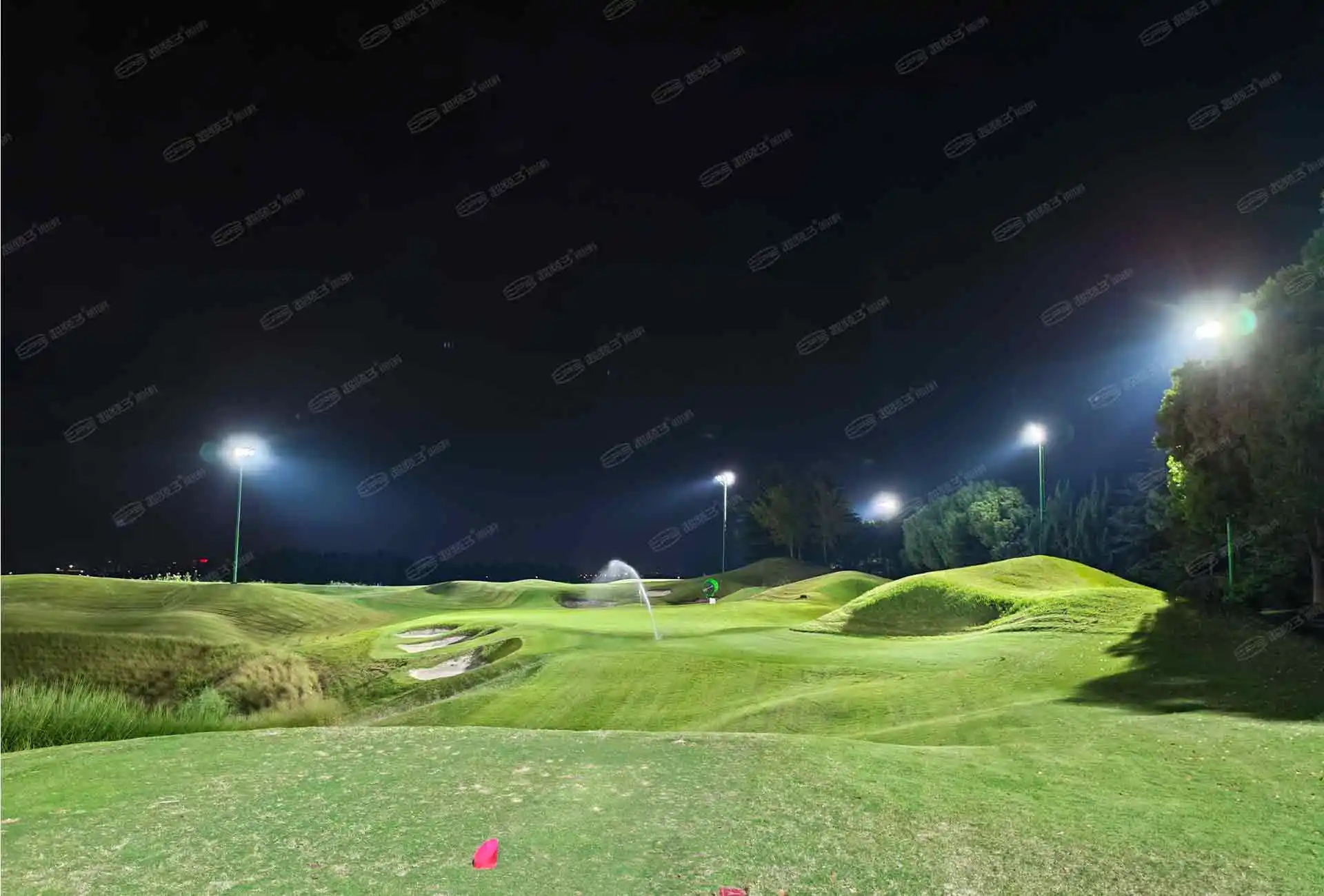
CPS Lighting designs and supplies golf course lighting systems. At a course in Suzhou, China, we delivered a three-hole phase covering holes 7, 8 and 9, combining Sirius LED floodlights with terrain-led design, installation support and on-site aiming.
The project uses 84 Sirius 1200W floodlights on 24 lighting poles. Planning night play on your course? Start with your selected holes, mounting options and operating brief—not a guessed fixture count.

3 holes
Phased course lighting
Holes 7, 8 and 9 in the delivered scope.
84 × 1200W
Sirius LED floodlights
Reported quantity and rated unit power.
24 poles
Site-specific layout
Positions planned around the course terrain.
1. Three holes, one coordinated lighting brief
The Suzhou phase was designed to extend evening use on selected holes rather than illuminate the entire course at once. Fairways, greens, slopes, trees and water features all shaped the brief. The supplied project account does not identify the venue’s full official name.
| Scope | Project figure | How to interpret it |
|---|---|---|
| Holes included | 7, 8 and 9 | Three-hole phase, not the entire course |
| Lighting poles | 24 | Total reported for this phase |
| Sirius floodlights | 84 × 1200W | Selected model and rated unit power |
| Combined rated luminaire power | 100.8kW | 84 × 1.2kW; calculated, not metered demand |
On smaller screens, swipe within the table to view every column.
The rated luminaire total is 84 × 1.2kW = 100.8kW, calculated from the reported equipment. It is not metered site demand or a verified saving. Phasing can limit the initial construction scope, but later electrical capacity, controls, access and operating plans still need coordination.
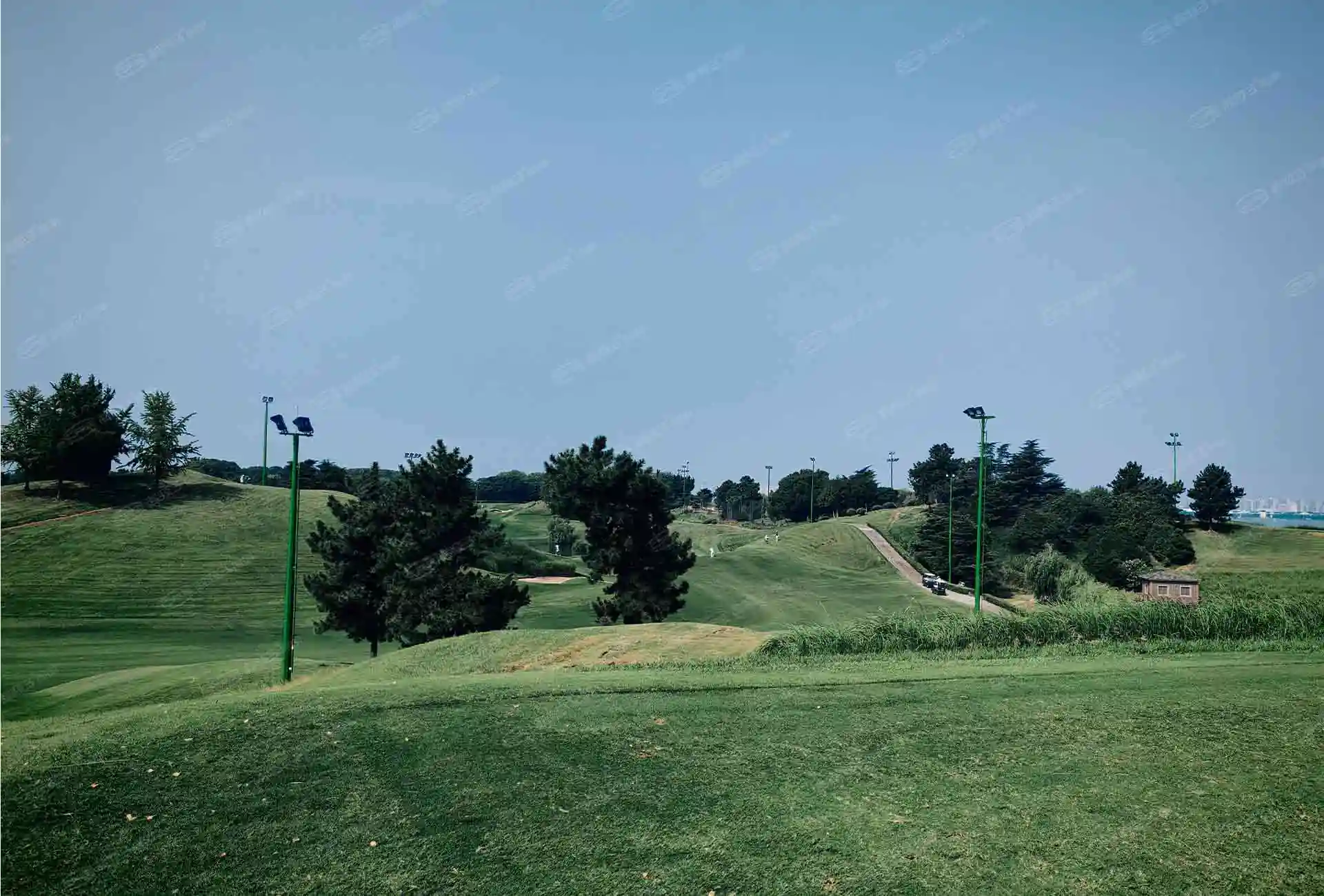
2. Lighting designed for terrain and player sightlines
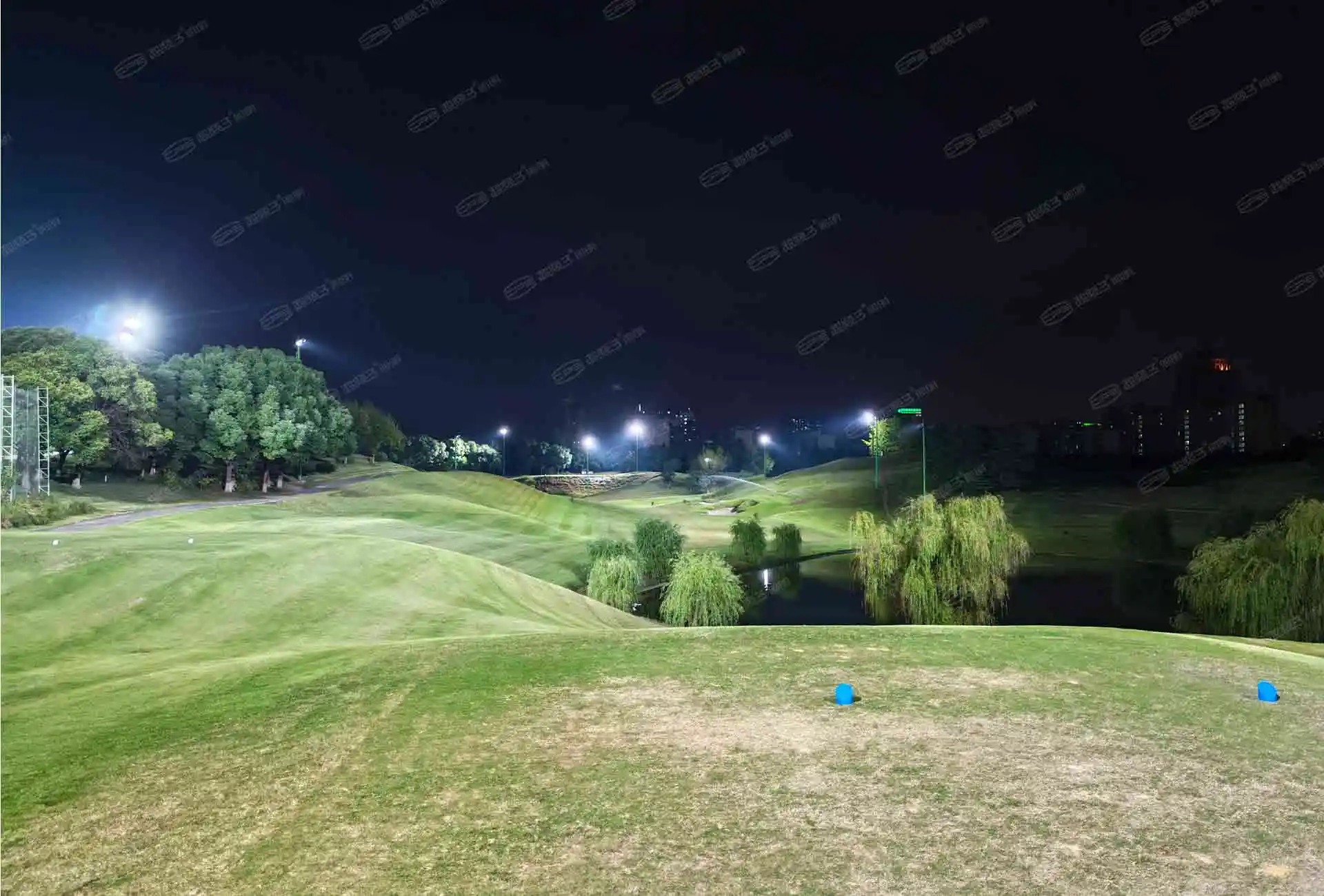
Before installation, the CPS team surveyed fairways, greens and hazard areas, then used optical simulation to plan pole positions and aiming directions. The priorities were glare control and fairway illuminance uniformity: keeping useful coverage connected without simply adding brighter patches.
Trees, slopes and water change both the lighting geometry and the player’s background. Following a golf ball after dark also requires attention to viewing direction and source exposure. Narrower and wider beams must work together; a high wattage or bright ground photograph cannot prove comfortable ball tracking.
3. From simulation to an aimed installation
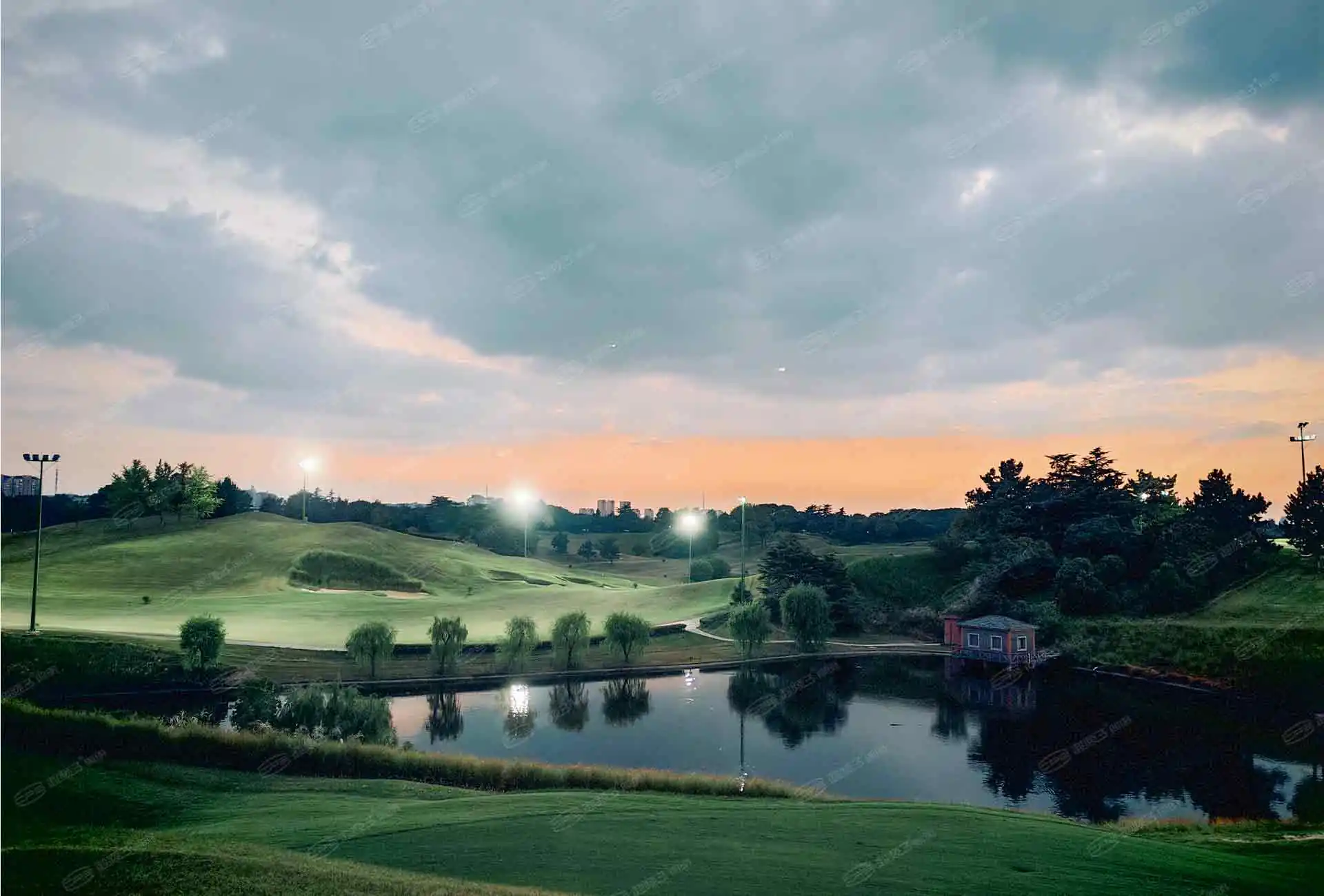
During construction, engineers followed the installation, aimed individual floodlights and checked illuminance by zone. This connects the proposed layout to the installed equipment. A beam aimed slightly away from its target can change the overlap with neighbouring fixtures, leaving an uneven playing area.
The project report describes more consistent light across fairways and greens, with clearer views of the ball, contours and bunkers. It does not publish measured lux levels, uniformity ratios or a glare score. Request the acceptance records for those results; they should not be inferred from the photographs.
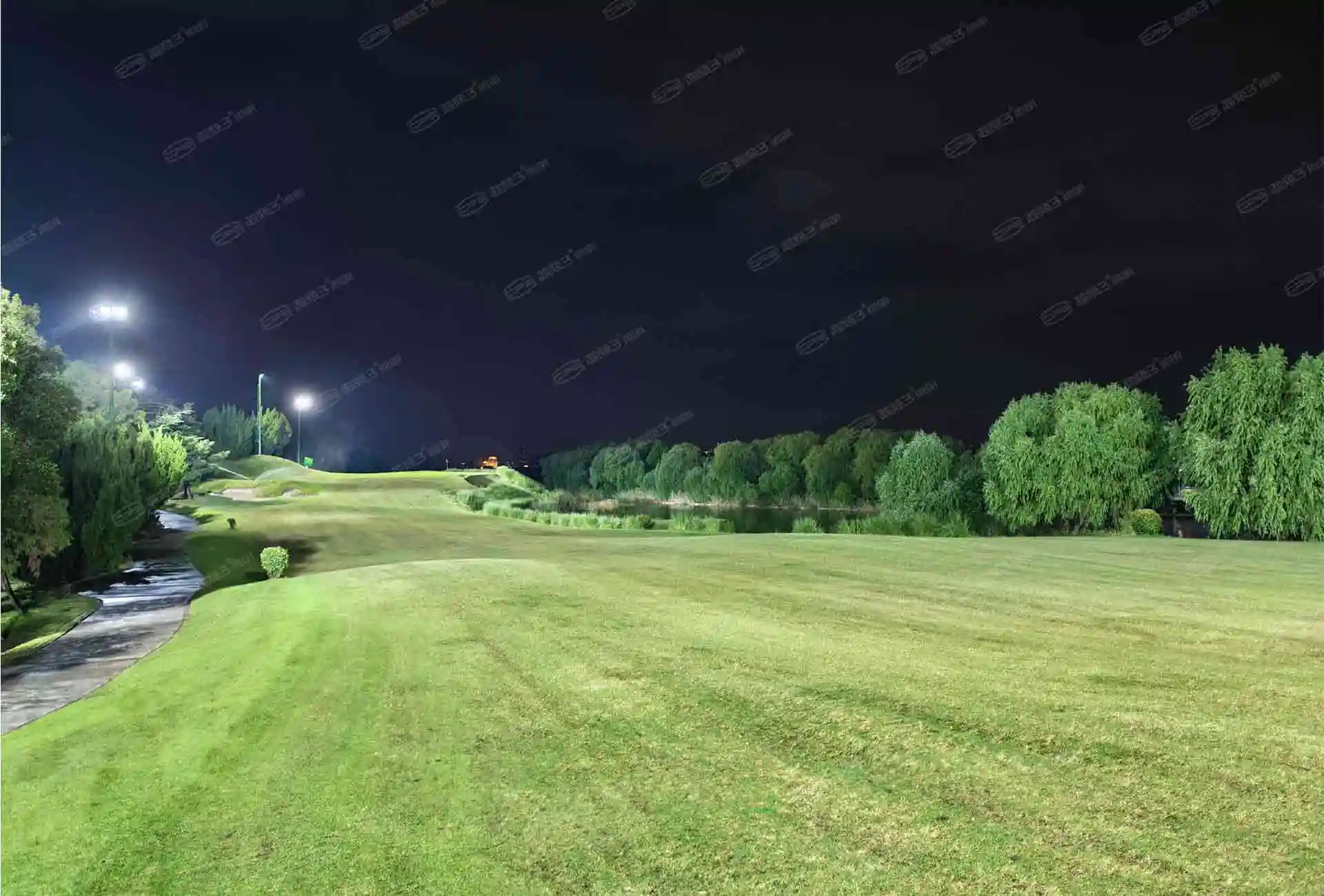
For another course, agree the practical scope before ordering: site information, photometric design, luminaire supply, installation guidance, aiming and acceptance support. On-site attendance, local electrical work, structures and maintenance responsibilities should be defined for that project—not assumed to be included everywhere.
4. Design, manufacturing and testing behind the proposal
CPS combines lighting design support with luminaire manufacturing. Its company profile describes an integrated production base in Huizhou, while the manufacturing overview covers machining, finishing and assembly. Buyers can discuss the selected product, customisation and supply arrangements as part of one coordinated proposal.
The lighting laboratory lists photometric, electrical safety, surge, environmental and mechanical testing equipment. Request evidence for the exact proposed model and configuration. Laboratory resources are relevant supplier capabilities, not automatic certification of every product or proof of this course’s measured lighting performance.
5. The product used: Sirius Projection Light 1200W
This project selected Sirius Projection Light 1200W luminaires. The source describes customised optics that direct light towards the playing areas while limiting spill. The current listing offers several distributions, including 25°, 45°, 60°, 90° and 30° × 70°; these are family options, not the installed pole-by-pole optic schedule.

| Installed project configuration | |
|---|---|
| Selected model | Sirius Projection Light 1200W |
| Luminaire quantity | 84 units |
| Rated unit power | 1200W |
| Course scope | Holes 7, 8 and 9; 24 lighting poles |
| Combined rated power | 100.8kW, calculated—not metered site demand |
| Current catalogue reference | |
| Listed luminous flux | 132,000 lm per 1200W luminaire |
| CCT / CRI | 5700K / Ra ≥ 80 |
| Input voltage | AC 100–277V |
Catalogue figures are not site measurements. Confirm the supplied optic, colour setting and accessories against the project documentation.
6. Start with your course layout
Planning golf course lighting for a new installation or a phased upgrade? Send CPS your course plan, selected holes, dimensions, terrain information, available mounting positions and intended operating hours. Include representative tee photographs and nearby sensitive areas.
Request a free DIALux lighting simulation and a suitable fixture proposal. The design should relate the equipment to your course and budget, not copy the Suzhou quantities. Confirm installation scope, documentation, warranty and service responsibilities in the quotation.
Email: info-cps@cps-lighting.com
Project information: original CPS project report. Photographs are supplied project views, not measurement records.