Contents
1. What the Package Code Actually Means
2. 2835, 5050 and 5630 Compared
3. Parameters That Matter More
4. Thermal and Electrical Checks
1. What the Package Code Actually Means
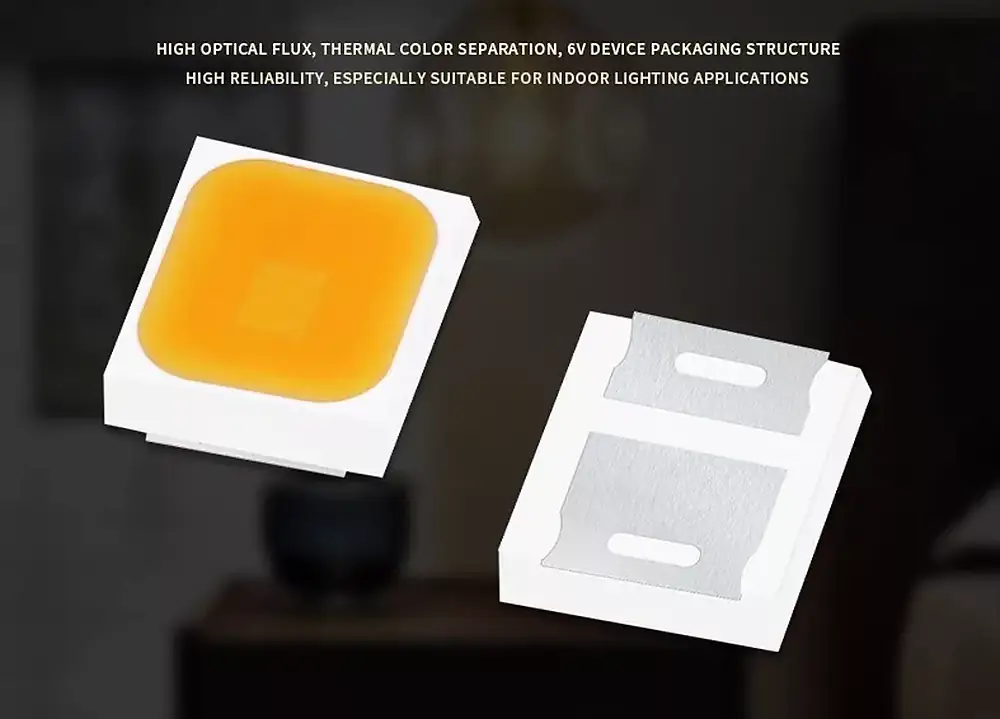
The labels LED 2835, 5050 and 5630 usually describe the approximate length and width of an SMD LED package in tenths of a millimetre: 2.8 × 3.5 mm, 5.0 × 5.0 mm and 5.6 × 3.0 mm. They are useful physical identifiers, but they are not performance grades. Two 2835 LEDs from different manufacturers can have different flux, current rating, colour quality and thermal resistance.
This is the key correction for wholesale purchasing: do not select an LED strip, module or luminaire from package code alone. The finished product depends on the LED bin, drive current, number of LEDs, PCB, optic, driver and thermal path. A larger package is not automatically brighter, more efficient or longer-lasting.

2. 2835, 5050 and 5630 Compared
These footprints became common in LED strips and modules because they allow different density, circuit and colour options. A 2835 package often suits dense single-colour strips and low-profile modules. A 5050 package has a larger square footprint and is widely associated with multi-chip or RGB strip designs. A 5630 footprint is often used in higher-output single-colour modules. Those are common market patterns, not universal rules.
| Package | Typical use pattern | Critical verification |
|---|---|---|
| 2835 | Dense white strip and compact modules | Flux bin, LED density and board heat dissipation |
| 5050 | RGB, decorative and general strip designs | Channel configuration, controller and colour consistency |
| 5630 | Higher-output white modules | Drive current, junction temperature and lumen maintenance |
3. Parameters That Matter More
Compare the data sheet at the intended operating current, not a headline value. Useful checks include luminous flux in lumens, efficacy in lm/W, forward voltage, correlated colour temperature, colour rendering index, colour bin and allowable current. For an RGB product, confirm the output and binning of each channel, then test the controller and mixing result.
A higher average flux can reduce the number of LEDs required, but it may concentrate heat and make the layout more sensitive to current variation. More lower-power LEDs can improve distribution and redundancy, while increasing assembly count. The correct choice is an engineering trade-off between required illuminance, board area, thermal route, optical spacing and cost.
4. Thermal and Electrical Checks
Package selection cannot bypass heat management. LED junction temperature rises with drive current and thermal resistance along the route from LED to board, housing and air. Excessive temperature can reduce flux, shift colour and shorten useful life. Ask for the board material, copper arrangement, heat-sink interface, ambient-temperature rating and driver operating range.
For a long LED strip, voltage drop is another practical constraint. A design that appears uniform near the power feed can lose output and change colour at the far end. Define run length, feed points, conductor size and dimming method before confirming a package or LED density. CPS Lighting’s LED driver troubleshooting guide covers compatible drivers and fault symptoms that should be considered at this stage.
5. Selecting for the Finished Product
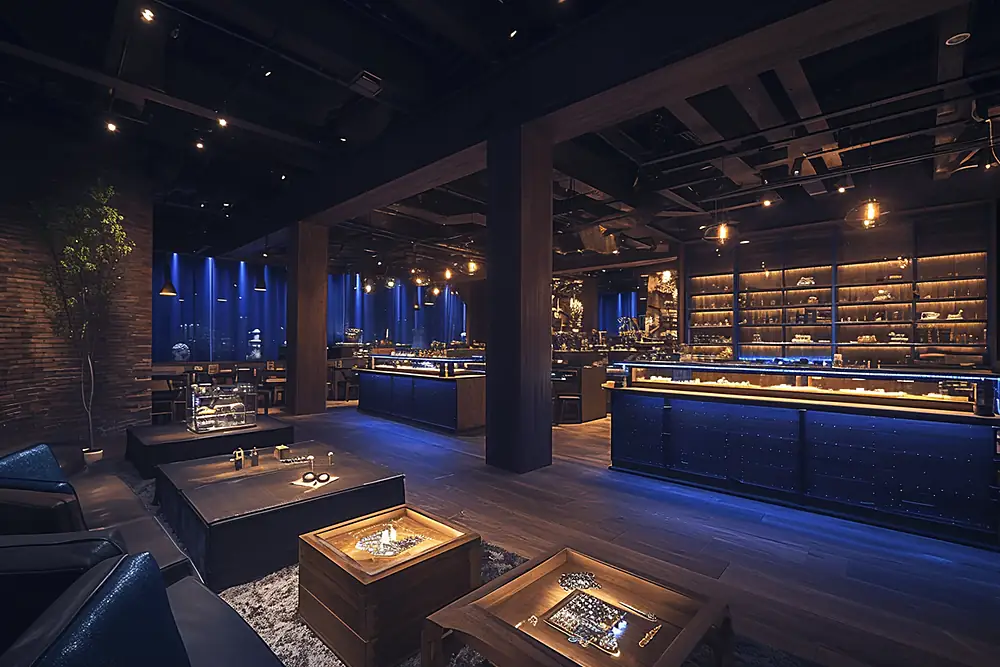
Start with the application: required light level, beam control, colour quality, installation space, dimming, environment and maintenance access. Then compare complete modules or luminaires. A display case may prioritise colour rendering and low-profile integration. A warehouse fitting needs a thermal design, driver and optic that can maintain output across operating conditions. The package name should be a traceability detail, not the procurement decision.
Request samples and test them at the planned voltage, ambient temperature and dimming level. Check visible uniformity, colour variation, flicker and temperature after stabilisation. This is more reliable than assuming that 5050 is always general-purpose or that 5630 is always the best option for high output.
6. CPS Project Reference
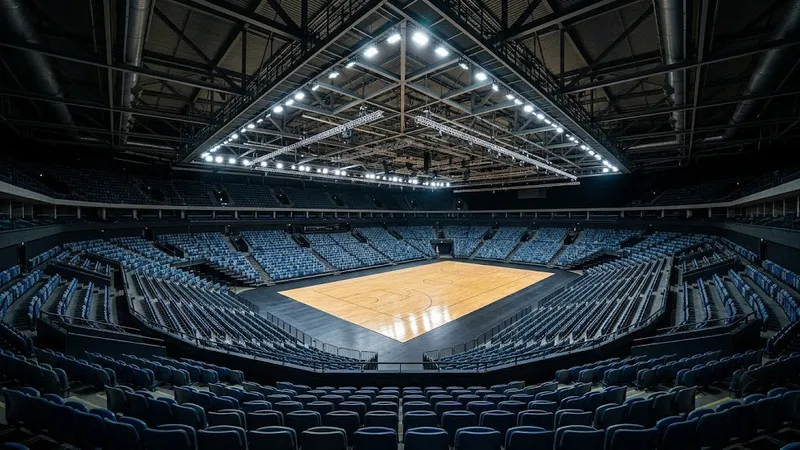
At luminaire level, package selection must support the optical and control brief. CPS Lighting’s multi-purpose arena lighting reference describes commissioned scene modes and zonal dimming for an Ocean University gymnasium rebuild. It does not prescribe a particular LED package; it shows why fixture output, driver and controls need to be evaluated as a system.
For a broader comparison of finished luminaires, review the CPS Lighting product range and verify the product data sheet against the project’s photometric and environmental requirements.
7. Technical Sources
IES: lighting standards and technical resources.
CIE: publications on lighting and colour.
Core Keywords:
LED 2835 vs 5050 vs 5630, SMD LED package, LED package size, LED strip selection, LED thermal management, LED luminous flux, LED module design