1. What 5630 and 5730 Identify
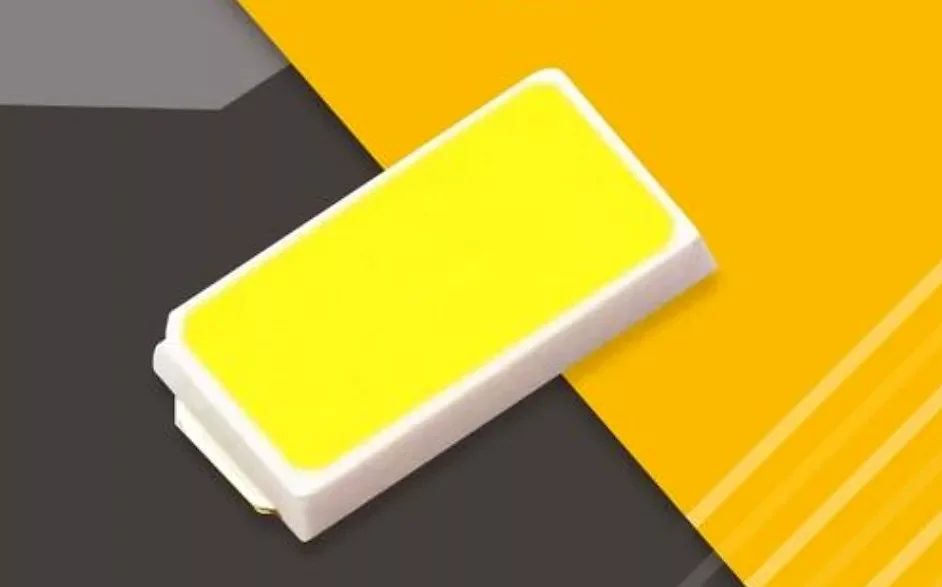
The numeric package code normally describes approximate SMD body dimensions: about 5.6 × 3.0 mm for 5630 and 5.7 × 3.0 mm for 5730. It does not define one universal die, phosphor, current or lumen value.
Different manufacturers can sell packages with the same outline but different electrical and optical ratings. Treat “5730 is brighter” as an incomplete claim until the package datasheet and the finished strip operating conditions are known.
For related planning resources, review the CPS Lighting product center.
2. Why Brightness Claims Vary
Initial flux depends on LED bin, drive current, junction temperature, CCT and measurement conditions. A seller may quote a package value at a laboratory pulse while the strip operates continuously at another current and temperature.
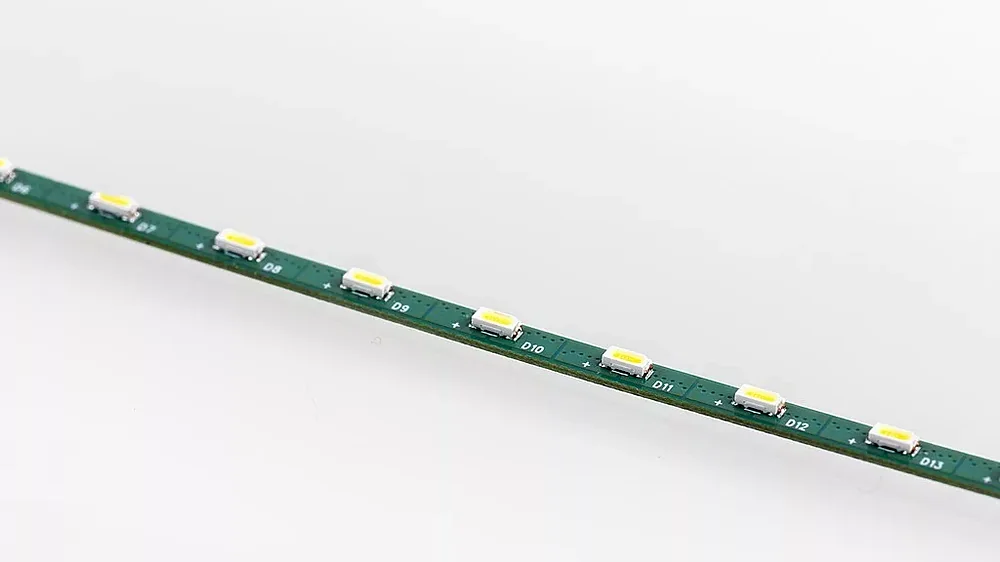
Strip brightness also depends on LEDs per meter. Sixty moderate-output packages can exceed thirty high-output packages while using a different wattage. Compare lumens per meter and watts per meter for the complete product, not lumens per individual LED taken from an unrelated datasheet.
| Item | 5630 | 5730 | Buyer implication |
|---|---|---|---|
| Nominal package outline | About 5.6 × 3.0 mm | About 5.7 × 3.0 mm | Size code is not a lumen rating |
| Possible drive/current | Manufacturer-specific | Manufacturer-specific | Use the exact datasheet |
| Strip output | Depends on bin, current and density | Depends on bin, current and density | Compare lm/m and W/m |
| Thermal need | Design-dependent | Design-dependent | Test at stabilized temperature |
For related planning resources, review the lighting case library.
3. Thermal Design Controls Sustained Output
Electrical power becomes both light and heat. Dense, high-current packages need copper area, PCB thickness and an aluminum channel or other heat path. As junction temperature rises, output and lifetime can decline.
A short sample on a cool bench may appear impressive but stabilize lower after installation. Ask for performance after thermal equilibrium at the specified ambient temperature. Adhesive tape alone is not a heat sink, and enclosed profiles need separate temperature consideration.
For related planning resources, review the lighting news center.
4. Compare Complete Strip Specifications
A useful comparison includes voltage, constant-voltage or constant-current architecture, LED density, cut length, maximum run, voltage drop, PCB copper weight, color tolerance, CRI, efficacy and IP construction. Silicone coatings can alter heat transfer and color.
Long 12 V runs usually show more voltage drop than an equivalent 24 V design. Feed long runs from both ends or segment them according to the manufacturer’s limit rather than compensating with an oversized power supply alone.
For related planning resources, review the CPS Lighting company profile.
5. Application and Power-Supply Fit
Choose the strip around the task. Cove lighting values smooth appearance and color consistency; task lighting may prioritize delivered illuminance and glare control through a diffuser; signs may value uniformity and cut length.
Size the driver from actual watts per meter, total length and a reasonable design margin while remaining inside both minimum and maximum load requirements. Verify dimmer/driver compatibility and wire size, especially where low voltage current becomes high.
For related planning resources, review the project consultation team.
6. Validate Samples Before Bulk Purchase
For bulk purchasing, test samples from the intended production specification. Measure input power, current, CCT, color consistency and light output after warm-up in the planned profile.
Compare voltage at the beginning and end of the run. Inspect solder joints, cut marks, connector fit and adhesive performance. Record the exact package maker and bin where consistency matters; the outline code alone cannot protect one shipment from being materially different from the next.
For related planning resources, review the CPS Lighting.
7. Technical Sources
U.S. DOE — Study of LED Package Lumen and Chromaticity Maintenance
Core Keywords:
5630 vs 5730 LED, 5630 LED strip, 5730 LED strip, SMD LED package size, LED strip brightness, LED strip thermal management